
Key takeaways
How to set SMART goals is part ofMonday SimonManager Development Program:👉Module 2:Goal setting for managers👉Module 5:Performance management in practice
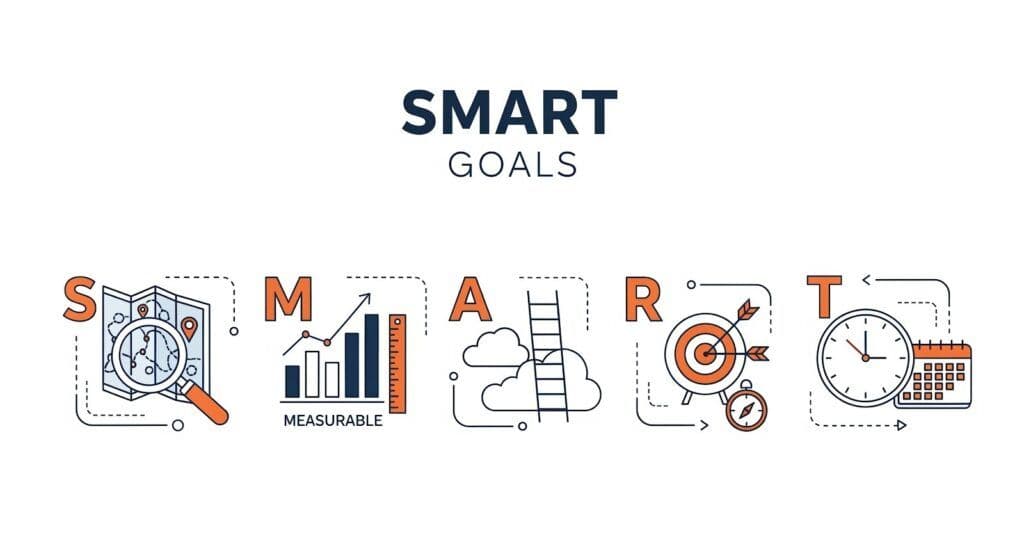
Your team needs to know exactly what winning looks like. You need a system that defines accountability upfront. You set this system by setting SMART Goals.
What are SMART Goals
SMART Goals are a simple, five-point checklist used to ensure that every target you set is clear, measurable, and achievable. It takes your vague intentions and turns them into a detailed, executable plan. It's the framework that eliminates the question,"Did we actually hit the target?"and replaces it with a simple yes or no.
This is a smart goal:
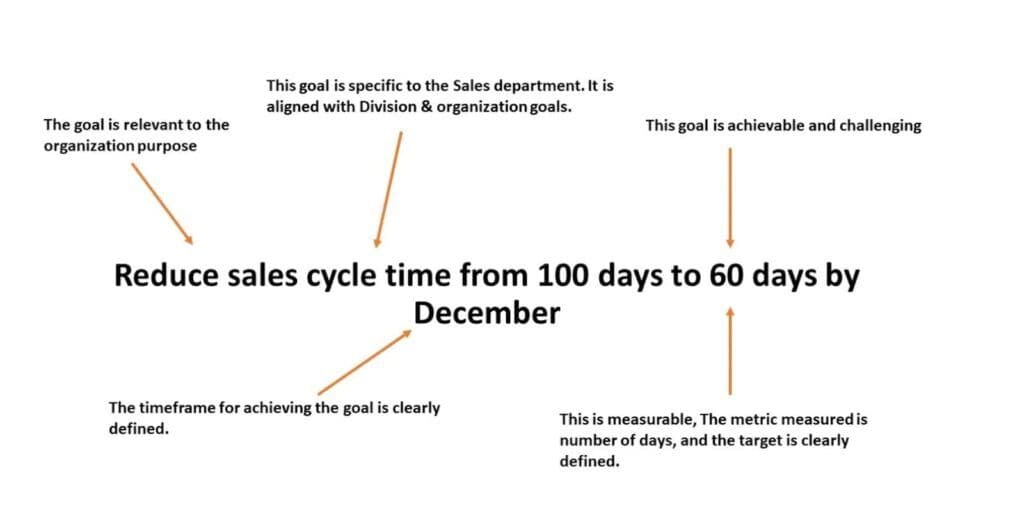
When done right, using SMART Goals is the difference between hoping for results and demanding them.
When to Use SMART Goals
While using this for almost everything, the SMART Goals framework is absolutely mandatory in these high-stakes situations:
Note : The relevance of your SMART goals MUST be reviewed periodically and assessed with your subordinates duringone on one meetings.
The Practical Manager’s Guide to Using SMART Goals
The power of SMART Goals does not lie in the fancy acronym.
This structured thinking, particularly the focus on Measurable and Time-Bound, put a stop to arguing about effort and started tracking results. The failure of most goal-setting is the failure to properly define the SMART Goals upfront. As always, it is easier said than done. To quickly revise your objectives and transform them into SMART goals, you can use myChatGPT for SMART goals.
Why SMART Goals are Critical to Your Success
SMART outcomes drive outcomes efficiently, not chasing an ambiguous dream.
SMART objectives are easy to understand, but they are rarely put into practice by managers. If you need additional resources and templates to manage your team members, you can check myManager toolspage.
MORE MANAGER DEVELOPMENT RESOURCES
This article is part of our performance management resources.
Stay sharp for Monday
Practical resources to help managers lead smarter, faster, and with confidence.


