Talent Retention for Industrial Companies
Reduce turnover. Strengthen leadership. Secure continuity.
I work with industrial organisations to map competencies, assess leadership gaps, and build structured development pathways that strengthen retention and succession visibility.
WHY TALENT RETENTION BECOMES STRATEGIC
Retention issues rarely start with compensation.
In many industrial organisations, high performers leave because development pathways are unclear and leadership expectations vary across sites.
Succession is discussed, but rarely structured.
High potentials are identified, but not developed
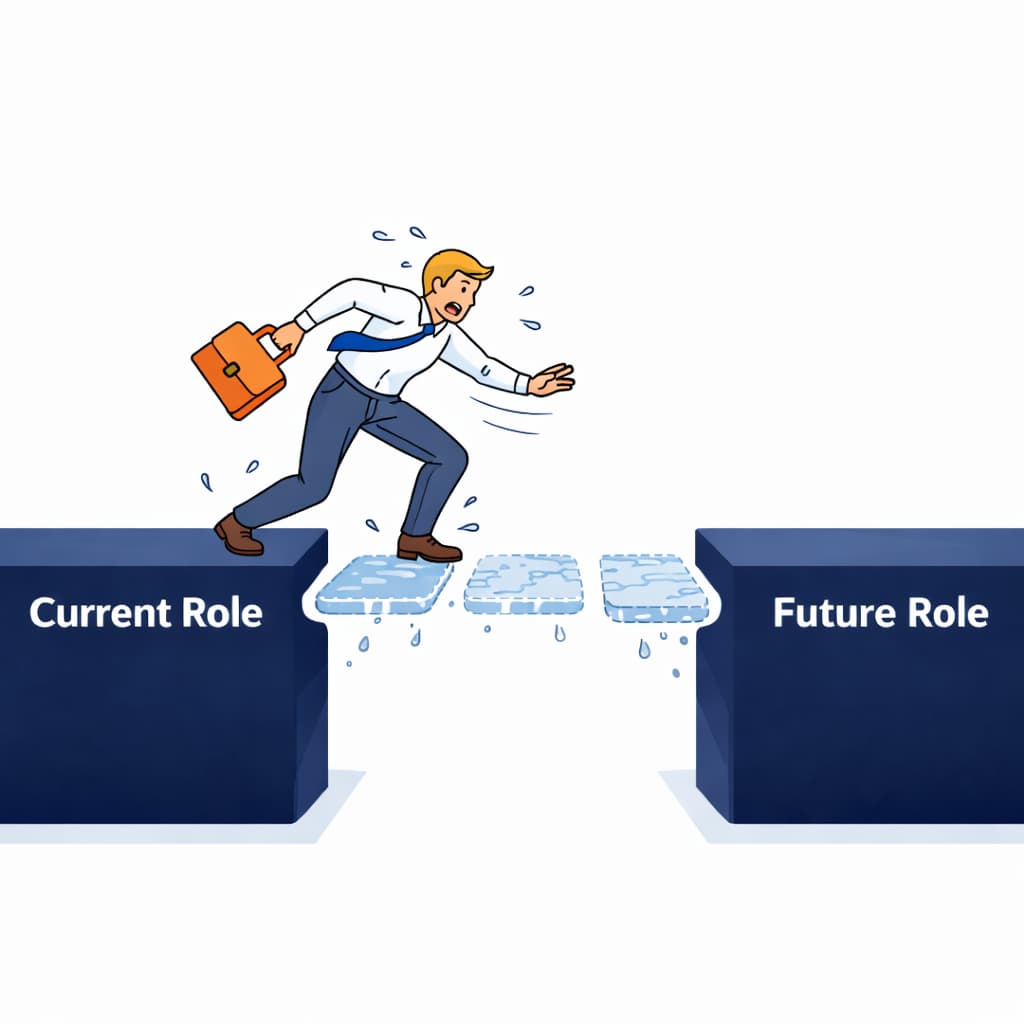
Without clear competency frameworks, “high potential” remains subjective. Development actions are disconnected from future role requirements.
Retention risk increases silently.
Leadership gaps appear too late
When key managers leave or retire, succession visibility is limited. Internal readiness is unclear. External hiring becomes urgent.
Culture fit is assumed, not defined
Without defined leadership standards and behavioral expectations, performance culture varies across sites.
Over time, execution consistency declines.
HOW I WORK
Before launching initiatives, we clarify structure.
We explore:
• Are leadership expectations clearly defined for critical roles?
• Is successor readiness visible and measurable?
• Are development plans linked to future role requirements?
• Is turnover monitored and understood?
Diagnose
Map critical roles and define competency expectations aligned with business strategy. Assess current managers and high potentials against those standards.
Identify gaps
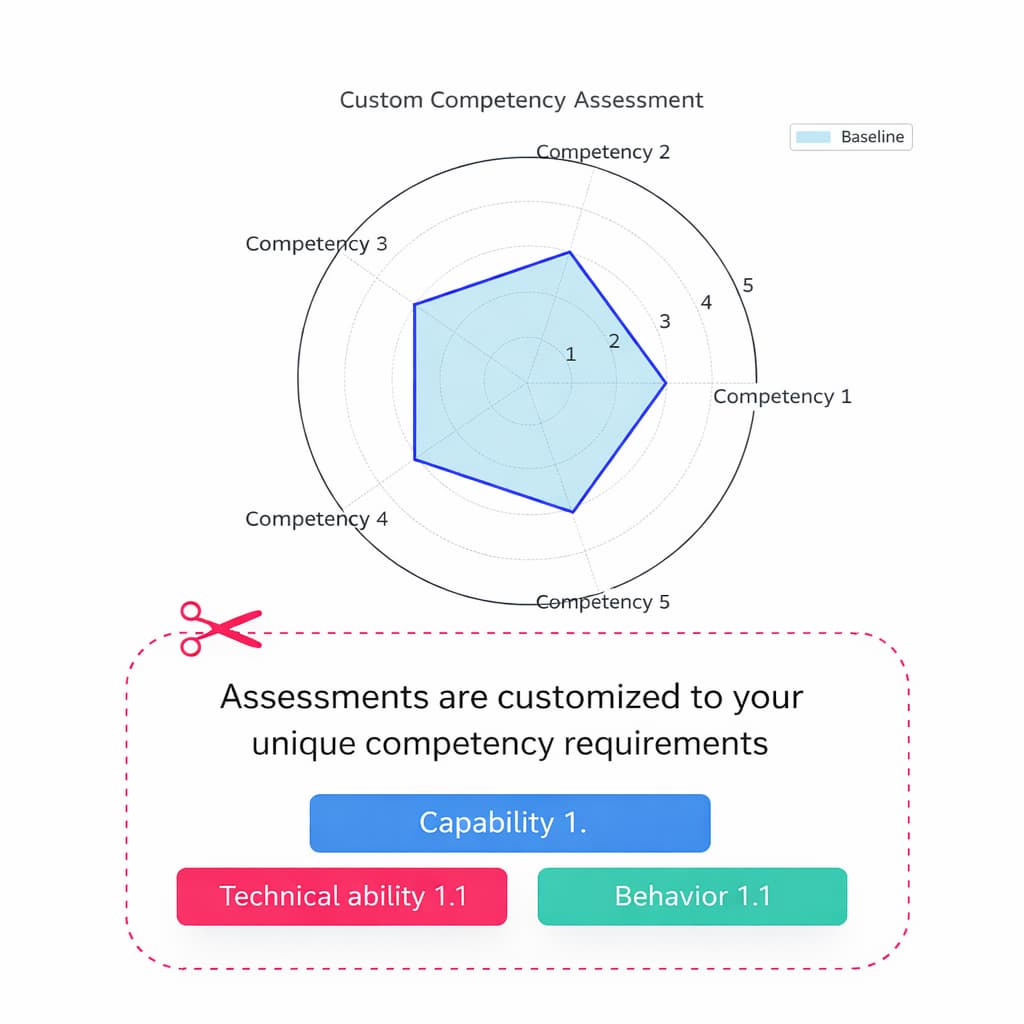
Use structured assessments to reveal leadership gaps, succession readiness, and development priorities across teams and sites.
Build IDPs
Design focused Individual Development Plans (IDPs) to bridge competency gaps, strengthen retention, and align talent with future roles.
COMPETENCY FRAMEWORKS
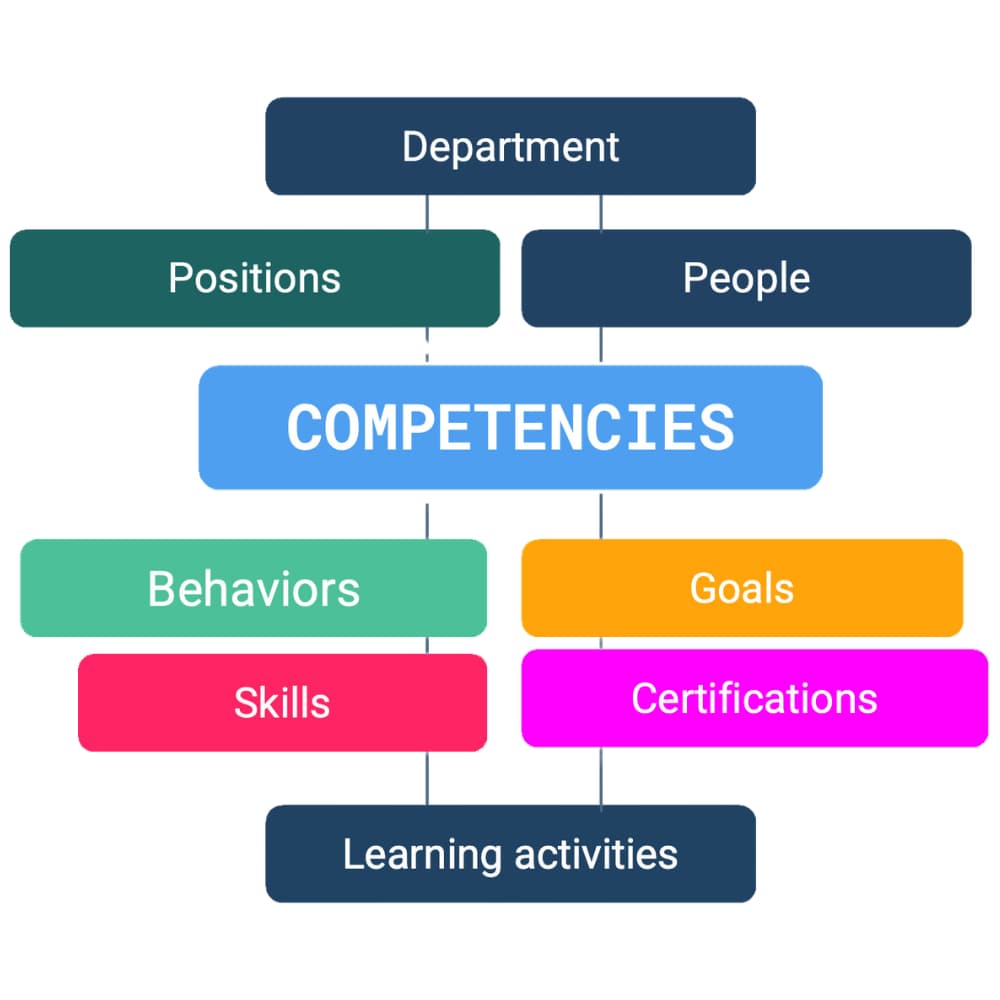
Structured Competency Framework for your talent retention project
-
Competency mapping
Define clear expectations for leadership, operational, and cultural alignment competencies required at each level of responsibility.
-
Succession visibility
Create structured visibility on successor readiness for critical roles, reducing reactive replacement decisions.
-
Development alignment
Ensure learning and mentoring initiatives are directly connected to identified competency gaps and future leadership requirements.
Book a discovery call >>
COMPETENCY & SKILLS ANALYTICS
Consolidate gaps to focus your Learning & Development efforts
Beyond addressing individual competency gaps, consolidated insights at a multi-site or multi-country level allow organizations to structure learning and development initiatives more effectively. This approach enables you to leverage internal experts to transfer knowledge in critical gap areas and maximize existing training investments by aligning them with clearly identified development priorities, ultimately increasing engagement and impact.
TALENT RETENTION project ROLL OUT
How industrial organisations typically strengthen retention and succession
The objective is not to launch another HR initiative.
It is to clarify leadership expectations, assess readiness, and align development with future roles without disrupting operations.
-
Map first, then prioritize
Start by identifying critical roles and defining the competencies required for future leadership continuity.
Succession discussions move from informal perception to structured visibility. -
Assess leadership depth
Use competency assessments to evaluate current managers and high potentials against defined standards.
This creates clarity on readiness levels and development priorities. -
Build targeted IDPs
Development plans are created to bridge specific competency gaps linked to succession pathways, not generic training programs.
High potentials know what is expected to progress. -
Monitor retention signals
Follow-up conversations and periodic reassessments create visibility on probation stability, engagement risk, and succession readiness over time.
Retention becomes measurable rather than reactive.
SUPPORTING EUROPEAN INDUSTRIAL ORGANIZATIONS
Experience supporting international industrial organisations
Experience built within international industrial environments facing:
• Operational complexity
• Multi-site coordination
• Cross-border leadership challenges




Frequently Asked Questions
What are the main use cases?
This framework can be applied to:
– Full competency assessments (technical and behavioral)
– Leadership competency evaluation
– Core values and culture alignment assessment
– High-potential identification
– Succession readiness mapping
– Targeted Individual Development Plans (IDPs)
The scope depends on your current maturity and strategic priorities.
Can this align with our existing competency framework?
Yes. Your current competency framework can be integrated directly.
If refinement is needed, the taxonomy can be adjusted to better align with industrial execution requirements and future leadership roles.
How do you identify high potentials objectively?
High potentials are not identified through perception alone.
Before assessment begins, we define required competency levels for each role. Managers and candidates are then evaluated against those defined benchmarks, allowing us to measure gaps versus future role expectations.
This creates objective visibility on readiness.
Does this replace our current L&D programs?
No. The objective is not to replace your learning programs, but to align them with clearly identified competency gaps and succession priorities.
We map development needs against your existing learning catalog to ensure investments are focused and measurable.
Is this linked to the Manager Development Program?
It can be integrated when relevant.
However, competency mapping and succession structuring can also be deployed independently, depending on your organizational needs.
Explore related management solutions