Key takeaways
- Kill the Annual Review Mindset: Stop treating performance management as a once-a-year form-filling chore. It’s a continuous, day-to-day “maintenance schedule” for your team. Frequent, small course-corrections save you from massive, time-consuming interventions later and provide the hard evidence you need to advocate for your high performers.
- Clarify “Winning” with SMART Goals: You can’t hold someone accountable for a goal they don’t understand. Work with your team to set objectives that are Specific, Measurable, and Time-bound. This turns subjective performance into an objective “yes or no” check, ensuring every individual’s effort is actually moving the needle on your department’s results.
- Master the Feedback Loop: Use FIAC for immediate performance corrections and the GROW model for long-term development. Effective feedback is specific and timely. Don’t just say “good job”; tell them exactly what worked and link it to the business outcome. This keeps your high performers engaged and your low performers on a clear path to improvement.
Table of Contents
The performance management process is part of Monday Simon Manager Development Program:
👉 Module 5: Performance management for managers

Performance management is often misunderstood.
This article explains what performance management really is, how it works in practice, and why it fails when treated as a once-a-year HR exercise instead of a daily management discipline. Performance Management is not an annual form-filling exercise. It’s the continuous, day-to-day conversation you have with your team to clarify expectations, track progress, and immediately course-correct.
Performance Management is Your Management Compass
Stop waiting for the mandated Q4 review cycle to think about performance. You should be applying these principles continuously, but particularly when:
- You inherit a new team and need to quickly reset standards and accountability across the board.
- A critical project is stalling, and you need to immediately identify and resolve the behavioral or skill roadblock.
- You are preparing to advocate for raises or promotions and need hard, documented evidence to support your high performers.
Your performance management evaluation will define your team’s bonus, incentives, salary increase, as well as future career paths. Consider it as THE most impactful HR process a manager should know. Every company has its own performance management process and guidelines, but here is the general outlook.
The Performance Management Process
- Setting Clear Objectives
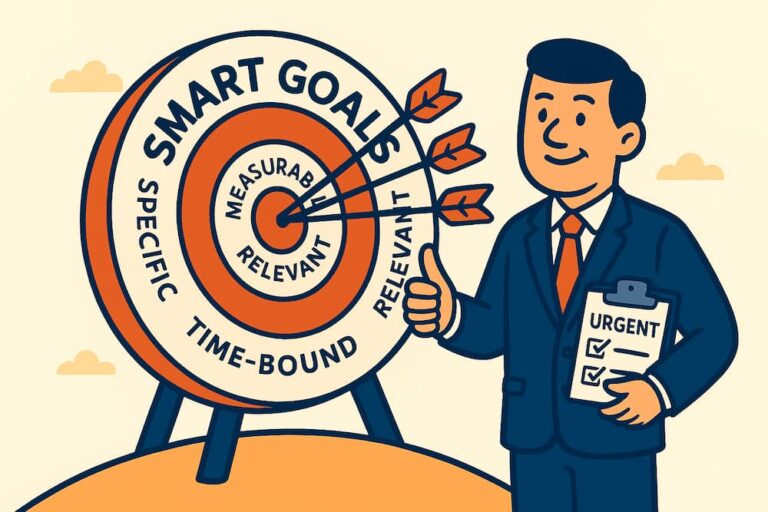
The first step in the performance management process is setting clear and achievable objectives. Managers should work with their employees to establish goals that are Specific, Measurable, Achievable, Relevant, and Time-bound (SMART). These objectives should align with the broader goals of the organization. This will lead you to the SMART goals page
Example:
• Objective: Increase sales by 10% in the next quarter.
• Specific: Target the sales increase in the Northeast region.
• Measurable: Use sales data to track progress.
• Achievable: Based on past performance, a 10% increase is realistic.
• Relevant: Aligns with the company’s goal of expanding market share. - Ongoing Monitoring and Feedback
Once objectives are set, managers need to monitor employee performance continuously. This involves regular check-ins and providing constructive feedback. Feedback should be specific, timely, and focused on both strengths and areas for improvement.
Tips for Effective Feedback:
• Be Specific: Instead of saying “good job,” say “I noticed you handled that client call exceptionally well by addressing their concerns directly.”
• Timeliness: Provide feedback as close to the event as possible.
• Balance: Highlight both what the employee did well and what they can improve.
I recommend you use :
• FIAC feedback for performance
• GROW model for development - Performance Appraisals
Performance appraisals are formal reviews that take place at regular intervals, typically annually or semi-annually. During these reviews, managers evaluate the employee’s performance against the set objectives. It’s an opportunity to discuss achievements, areas for development, and set new goals.
Key Elements of a Performance Appraisal:
• Review of Objectives: Assess whether the employee met, exceeded, or fell short of the set goals.
• Development Plan: Identify training or development opportunities to help the employee grow.
• Future Goals: Set new objectives for the upcoming period. - Development and Training
Based on the performance appraisal, managers should create a development plan tailored to the employee’s needs. This may include training programs, mentoring, or additional responsibilities to help the employee advance their skills and career.
Examples of Development Opportunities:
• Training Workshops: Enroll the employee in a workshop on advanced sales techniques.
• Mentoring: Pair the employee with a senior colleague for guidance.
• Job Rotation: Allow the employee to work in different departments to gain broader experience.
The output: A clear individual development plan for your team. Learn more about Individual Development Plans (IDPs). Use this tool for a development plan. - Recognition and Rewards
Recognizing and rewarding employees for their achievements is a crucial part of the performance management process. This not only motivates employees but also reinforces the behaviors and outcomes that the organization values. - Continuous Improvement
The performance management process should be a cycle of continuous improvement. Managers should regularly review and refine the process to ensure it remains effective and aligned with organizational goals. This may involve soliciting feedback from employees, updating objectives, and incorporating new best practices.
Steps for Continuous Improvement:
• Employee Feedback: Regularly ask employees for their input on the performance management process.
• Review and Adjust: Analyze the effectiveness of the current process and make necessary adjustments.
• Stay Updated: Keep abreast of new trends and best practices in performance management.
Download Employee Goal Setting Template
Performance management starts with employee goal setting. Download my template to build KPIs and set competency objectives.
Why Performance Management is an Absolute Must Have for Every Manager
Performance management is not “just” about accountability. It’s about making your job easier and protecting your key resources.
- Saves Time (Your Time): Stop fighting fires. Small and frequent course corrections take less time than massive interventions.
- Reduces Attrition: High performers crave clarity and dislike carrying colleagues. A clear Performance Management system rewards excellence and resolves dragging performance quickly, boosting morale.
- Drives Business Results: When every role has 2-3 objective Traction Metrics aligned with business goals, the team stops working in isolation and focuses on what truly delivers value.
If you need templates for those metrics and structured check-ins, grab them from the Manager tools page.
MORE MANAGER DEVELOPMENT RESOURCES
This article is part of our performance management resources.
Stay sharp for Monday
Practical resources to help managers lead smarter, faster, and with confidence.
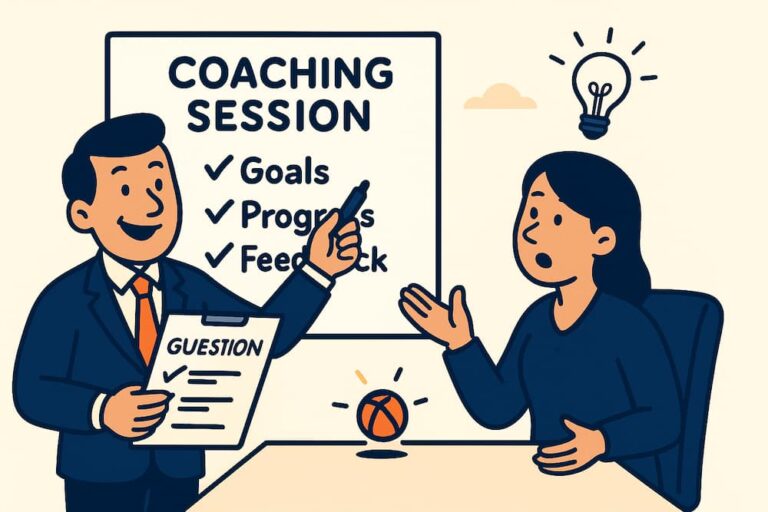
How the GROW Coaching Model helps to Build Stronger Teams
View Article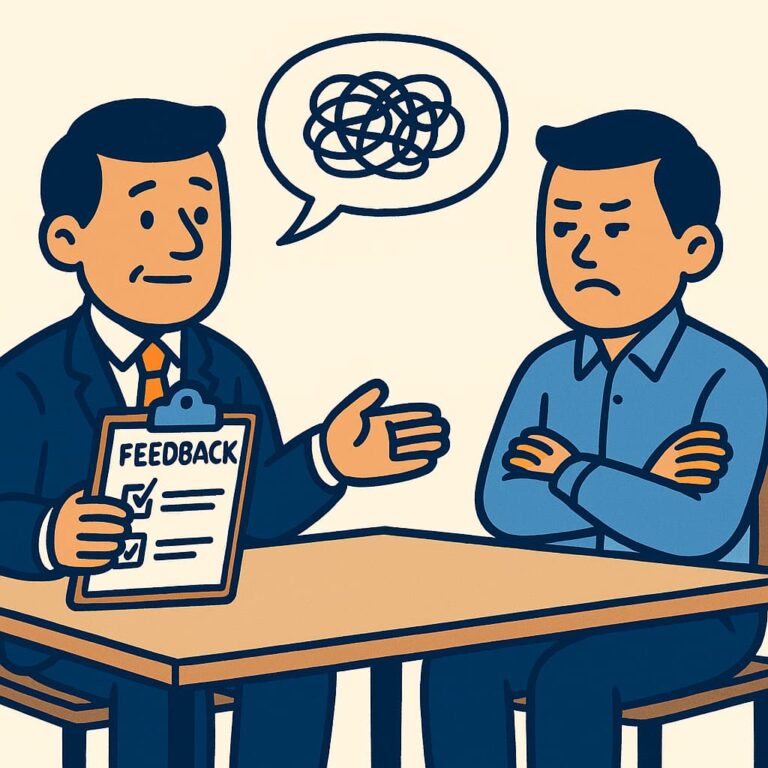
How the FIAC Feedback Model Fixes Employee Performance
View Article