Key takeaways
- Ban the Status Update: Stop asking “What are you working on?” during your one-on-ones. That information belongs in an email or project tracker. Use this dedicated time to address systemic “organizational garbage,” career growth, and the hidden friction points that actually slow your team down.
- Follow a Rigid Meeting Structure: Don’t wing it. Use a consistent flow that covers Performance (KPIs/OKRs), Development (IDPs), and a two-way Feedback exchange. Ending every session with agreed-upon action items ensures the meeting drives real progress rather than just being a “random chat.”
- Listen for Systems, Not Symptoms: When a team member complains of stress or “too much work,” look past the emotional symptom to find the broken system. Your job is to diagnose the underlying cause, such as a flawed approval process or poor cross-team delegation, and fix it before it turns into a resignation.
Table of Contents
If you’re a line manager, your biggest time drain is putting out fires you never saw coming. And to my view the single most powerful tool you have for preventative management is the one on one meeting.
The one-on-one is part of the Monday Simon Manager Development Program:
👉 Module 3: Team development training
👉 Module 4: Coaching for managers
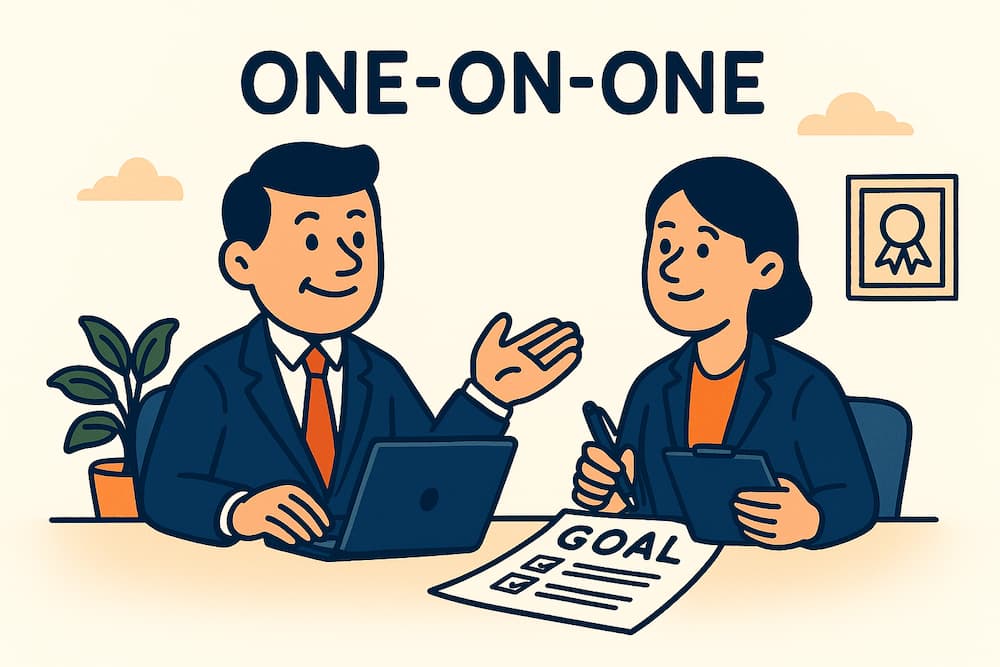
What is a one on one ?
A one on one is a regularly scheduled, dedicated, and protected time slot between a manager and their direct report.
It is not a status report, not a random chat, and not a chance to dump new tasks. It’s the only formal forum for discussing the employee’s career, their frustrations, and the systemic organizational garbage that is slowing them down.
The one on one is also the space for you to give and receive feedback, whether it is about the employee development or his/her performance. Once you have set clear goals for your team, the one on one becomes one of your top management tools for performance management.
To support your preparation to one on one, you can use my custom ChatGPT for one on ones.
When to Use the One on One?
The true value of the one on one comes into sharp focus during specific, common scenarios:
- Proactive Problem Solving: Before a small friction point (e.g., a buggy software tool, team politics) blows up into a crisis.
- Career and Skill Development: When an employee needs clear, consistent coaching on their next move, not just annual review feedback.
- Gauge Team Morale: When you need a private, safe space to gauge stress levels and uncover hidden team discontent before resignations hit.
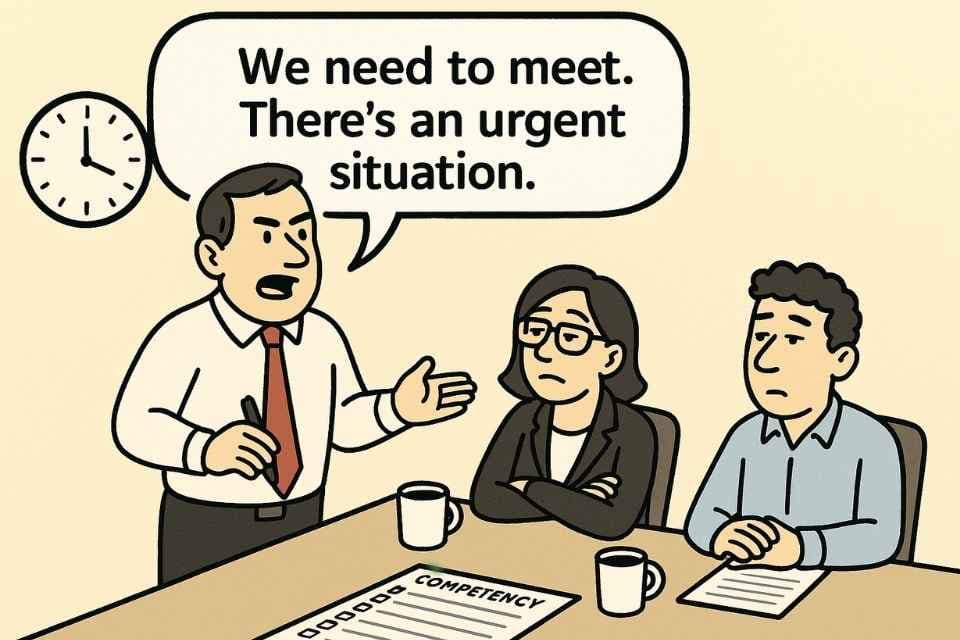
Overall, the one on one is the most recommended tool in your management toolbox to engage and proactively detect signals that work and development is on track.
RELATED RESOURCES
You may also find our team development resources useful.
Stop Wasting Time on Status Updates
The common management mistake is using the one on one slot to ask, “So, what are you working on?” Stop doing that. That information belongs in a daily standup, a project tracker, or an email update.
Here’s what actually works in a high-impact one on one:
1. Structure the meeting, and structure it rigidly. This is my personal recommended structure for the one on one:
a. Introduction – Start with a brief check-in to set a positive tone.
b. Performance Review
- Discuss current KPIs and OKRs.
- Review progress, challenges, and successes.
- Set or adjust short-term goals.
c. Development Discussion
- Review the Individual Development Plan (IDP).
- Discuss learning progress, feedback, and any resources needed.
- Use the GROW coaching model to develop competencies.
- Align development with performance goals.
d. Feedback Exchange
- Provide constructive feedback on performance.
- Solicit feedback from the team member on leadership, team dynamics, or personal management style.
e. Summarize key points discussed.
- Agree on action items for both parties.
- Set the next meeting date.
f. Open Discussion
- Allow time for any other concerns or ideas the team member might have.
2. Listen for the System, Not the Symptom: When an employee complains about “too much work,” the symptom is stress. The system problem might be poor delegation from a peer, a lack of clear priorities from leadership, or a broken approval process. Your job in the session is to diagnose the underlying system failure.
3. No Rescheduling/Cancelling: If you must move it, move it immediately to the same week. Consistency builds psychological safety, and safety leads to honesty, which is the only thing that saves you time long-term.The effective one on one isn’t about micromanagement; it’s about macro-management, using targeted conversations to fix systemic problems before they impact the business.
Download Feedback Operating System template
This feedback operating system is a written commitment I expect managers to use to manage their teams effectively. Download this template to document the expectations for your management style and feedback habits.
Why the One on One Pays for Itself
This meeting is the only guaranteed ROI you have on your management calendar. The content of your one on one may differ whether you are dealing with High performers, Poor performers, or High potential employees.
- Risk Mitigation: Uncover small problems before they escalate into high turnover, project failure, or public blow-ups.
- Increased Accountability: By securing an action item or “Course-Correction” (C in FIAC Feedback) at the end of every productive one on one, it creates a documented loop of progress.
- Direct Boost to Results: Unblocking an employee’s key constraint (e.g., getting them the right software, fixing the broken process) immediately accelerates their work and improves overall team output.
Stop viewing the one on one as a luxury or a time sink. It’s your maintenance schedule for the most expensive assets in your business: your people.
For templates on how to structure your agenda and tools for capturing notes without sounding like a robot, download the resources on the Manager tools page.
MORE MANAGER DEVELOPMENT RESOURCES
This article is part of our feedback and coaching resources.
Stay sharp for Monday
Practical resources to help managers lead smarter, faster, and with confidence.
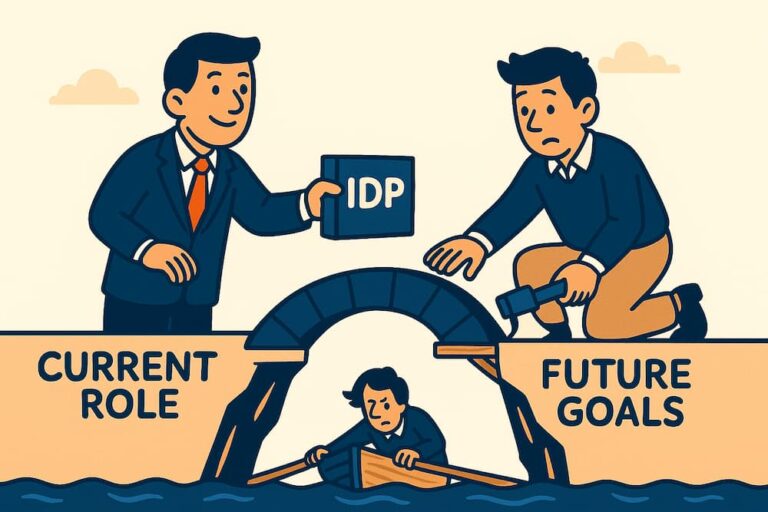
How to Create an Effective Individual Development Plan (IDP)
View Article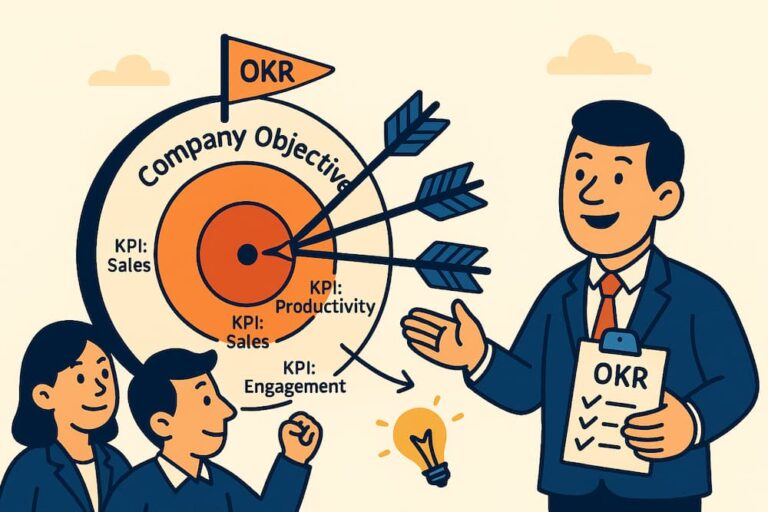
How to Master KPIs and OKRs for Team Management
View Article