Key takeaways
- Guard Your 5% from Burnout: High performers generate 50% of your team’s value, but the biggest mistake is “quietly abandoning” them because they are low-maintenance. Stop dumping extra work on them just because they’re reliable; instead, actively manage their energy and provide support to keep your top tier from hitting a wall.
- Provide Strategic Stretch, Not Just More Stress: Give them assignments that actually move their career forward, not just more of the same tasks. Use an Individual Development Plan (IDP) to link their current “crushing it” status to their next promotion or expert path, ensuring they see a clear future with you before they start looking elsewhere.
- Differentiate Rewards to Combat Mediocrity: If you reward Sarah the same as a teammate who barely hits their numbers, you’re telling Sarah her extra effort doesn’t matter. Use a 9-box grid to objectively identify your top performers and ensure their exceptional results are met with exceptional pay, recognition, and visibility.
Table of Contents
Managing High performers is part of Monday Simon Manager Development Program:
👉 Module 5: Performance management for managers
What is a High performer
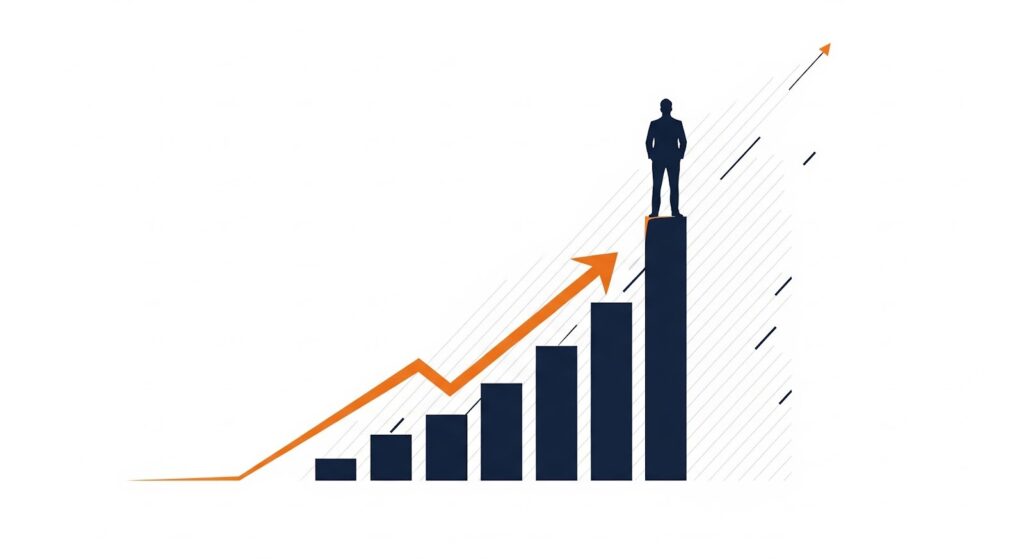
High performers produce more value than the rest of the team. Being a high performer means having a mix of talent and behavior that makes the individual stand out consistently. They are usually the priority for retention as they produce more value than other employees. This is why you need to have a performance management system in place; you don’t want to lose them.
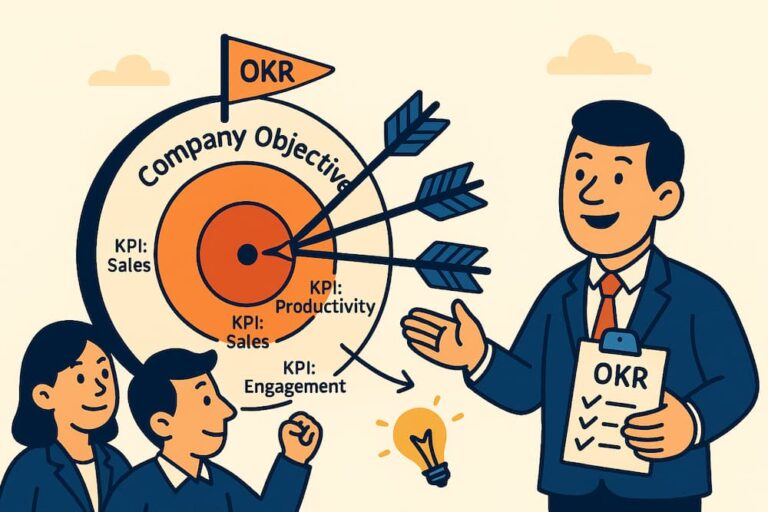
A high performer isn’t just someone who hits their KPIs and OKRs targets. It’s the person who consistently delivers higher business impact relative to their role and seniority, often making your job easier by solving problems before they land on your desk. They are the 5% that generate 50% of the value.
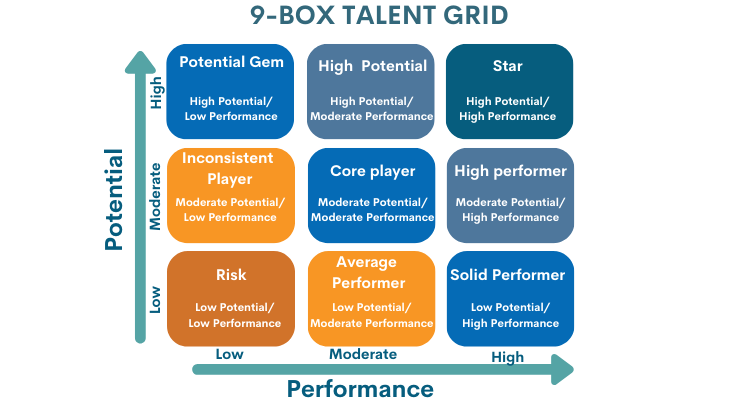
This is where they stand in a 9 box grid :
RELATED RESOURCES
You may also find our team development resources useful.
Why Focusing on Your High Performer Pays Off
If there is one priority for retention, it should be your high performers. Here is what they bring to the table:
- Increased Productivity: They set the pace, often leading to higher overall team output.
- They speed up innovation: They tend to be more creative, bringing new ideas and solutions to the table.
- They improve your reputation: Your team’s reputation improves, attracting more qualified talent in your team.
- Morale Boost: Their success can inspire others, lifting team spirit.
- Reduced Management Time: They require less supervision, freeing up your time for strategic tasks.
How to Deal with High Performers
Managers may assume the high performer is fine and doesn’t need attention, and they end up dumping more work on them. What you want is to retain top talent, not run them into the ground.
The real issue is that they might feel undervalued if not given the right challenges or if their career progression isn’t clear, leading to potential disengagement or departure. The most advanced companies use 360 assessments, such as Huneety learning, to evaluate their fit for future roles and focus their development priorities.
- Recognition: Regularly acknowledge their contributions in a way that’s visible to them and others.
- Challenge: Provide them with stretch assignments that push their skills but are supported to prevent burnout.
- Career Development: Use an Individual Development Plan (IDP) to map out their future and prioritize them for promotions (leadership or expert roles, depending on their potential).
- Visibility: Increase their exposure within the company, perhaps through leadership shadowing or high-visibility projects.
- Learning Opportunities: Offer premium learning experiences tailored to their career path.
| DO | DON’T |
|---|---|
| Recognize their achievements explicitly. High performers need to see that their effort matters. | Assume they do not need management. Even high performers need attention to prevent boredom and turnover. |
| Provide them with stretch assignments to keep them challenged and growing. | Promote them without preparation. High performance in one role does not guarantee success in a leadership position. |
| Invest in their development through mentoring or key project exposure, ensuring they see a clear growth path. | Reward mediocrity the same as excellence. This diminishes the value of their hard work. |
And obviously, you should reward them more than the average performer. This sounds obvious to say, but rarely done. Imagine you have a high performer like Sarah in your finance team. Last quarter, she not only met but exceeded her targets by 20%. By giving her a bonus or a higher raise than the standard, you are essentially saying, “Your exceptional performance directly contributes to our success, and we value that”. Companies that recognize high performance usually use the principles of the bell curve to ensure high performance is rewarded accordingly.
Now make this work for your situation with a Monday morning action: Begin by identifying your high performers and schedule a one-on-one meeting to discuss their recent achievements and future growth opportunities.
Download the General Evaluation Form Template
There is no better tool to identify a high performer than a solid General Evaluation Form. Download this template to recognize your team members’ performance accurately.
If you are looking for additional resources to manage your team, check out my resources on the Manager tools page
MORE MANAGER DEVELOPMENT RESOURCES
This article is part of our performance management resources.
Stay sharp for Monday
Practical resources to help managers lead smarter, faster, and with confidence.
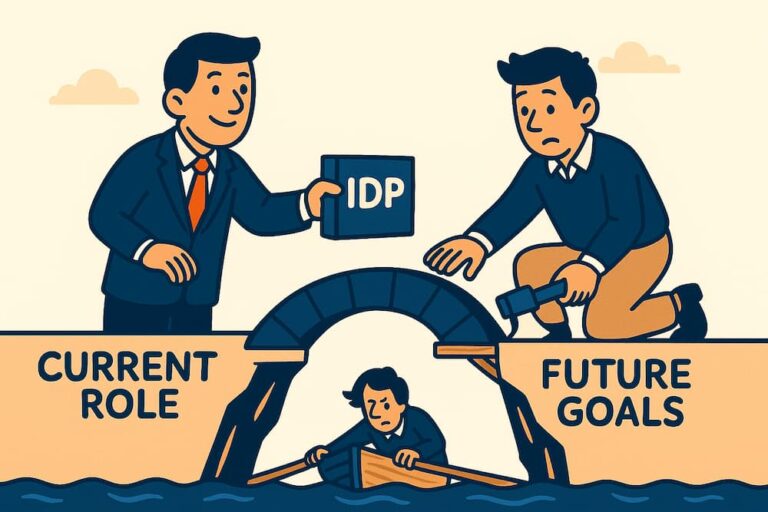
How to Create an Effective Individual Development Plan (IDP)
View Article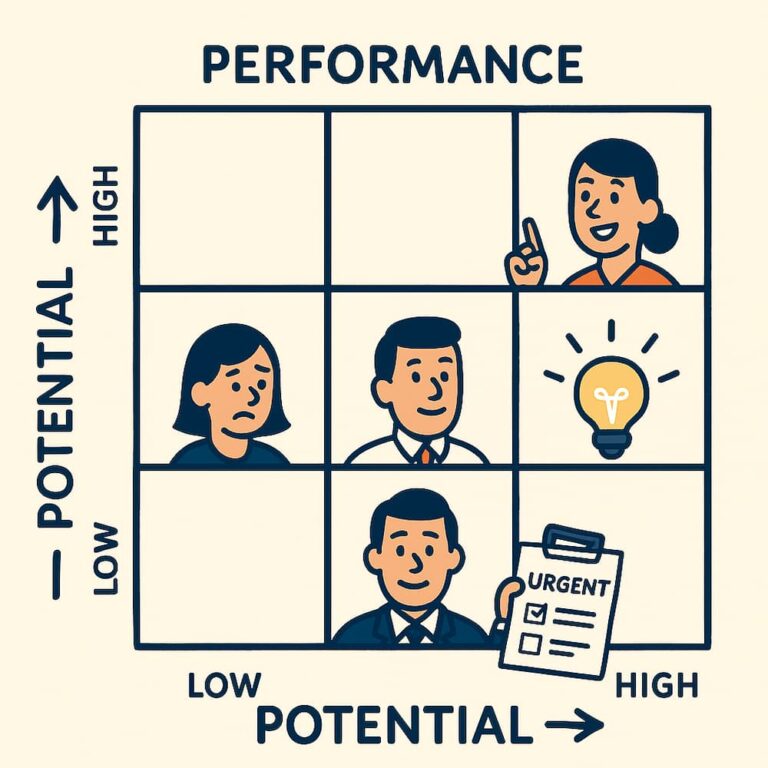
Understanding The 9 Box Grid for Talent Decisions
View Article